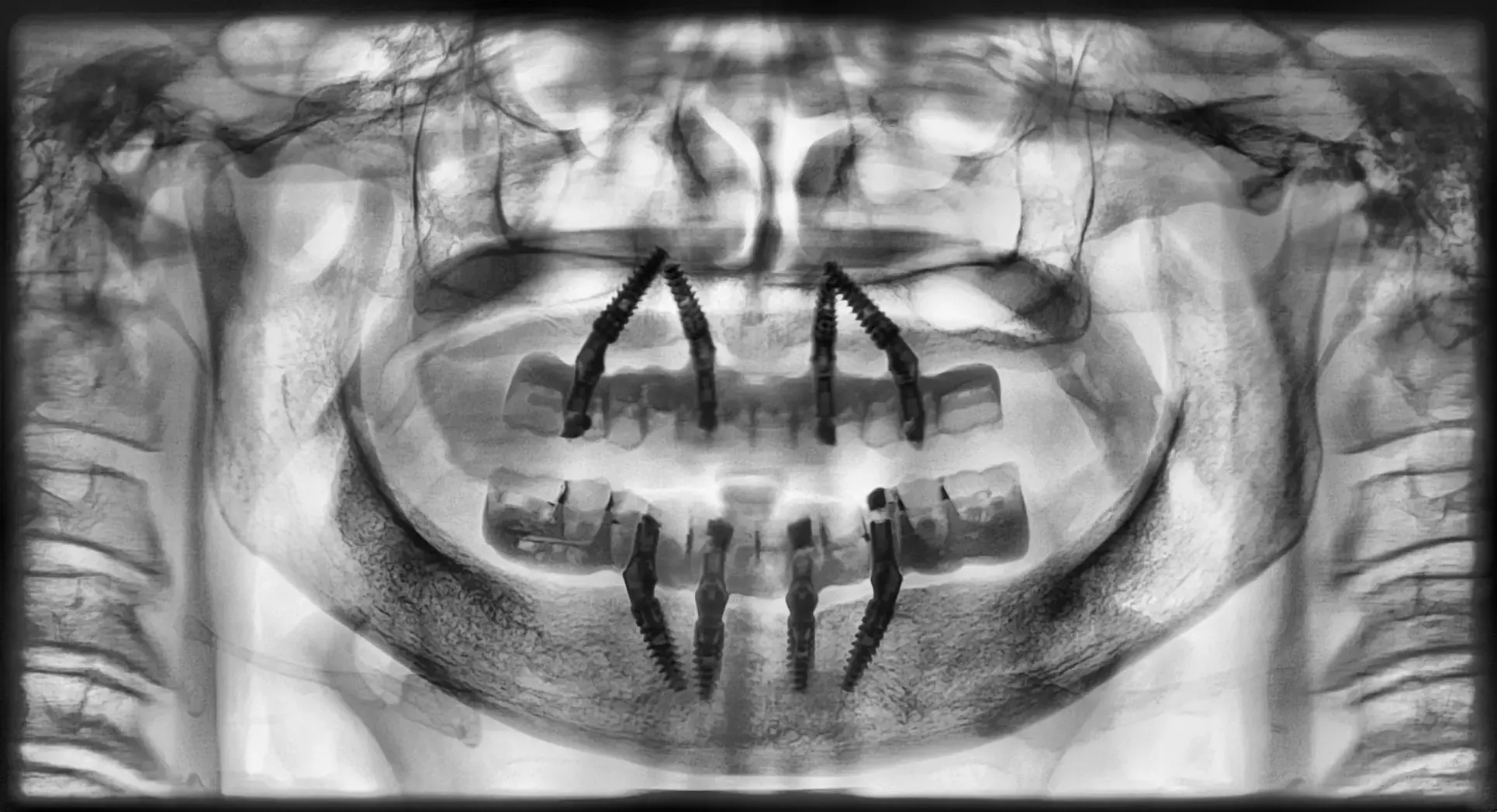
When All-on-4 is the right choice, hopeless teeth and heavily pneumatized sinuses
All-on-4 is often offered when it isn't needed. Not here: hopeless teeth, atrophic maxilla, tilted distals instead of a sinus lift. Follow-up to 3 years.
An evidence-based blog on periodontology, implantology and oral surgery. Dr. Ernesto Bruschi — dentist in Frosinone, Italy — shares clinical cases, bone regeneration techniques and science-driven protocols. Plus biology, pharmacology, history of medicine and the connections between oral and systemic health.
"Rare are those who use their mind, few those who use their heart, unique those who use both." — Rita Levi Montalcini

I learned oral surgery watching my father's hands — Prof. Giovanni Battista Bruschi. Periodontology I studied with Jan Lindhe and Jan Wennström, in Sweden. In the United States, Ronald Odrich and Frank Celenza Jr. taught me that surgical and prosthetic precision is a form of respect for the patient.
Thirty years on, I still do the same thing. I do surgery. I study. I try to understand why bone heals one way and not another.
Behind every smile there is a person's personal story. Behind every bone and soft tissue defect, a biology worth understanding. This blog is my way of sharing what I see under the microscope and in the operating room — with colleagues and with patients who want to understand.
All-on-4 is often offered when it isn't needed. Not here: hopeless teeth, atrophic maxilla, tilted distals instead of a sinus lift. Follow-up to 3 years.
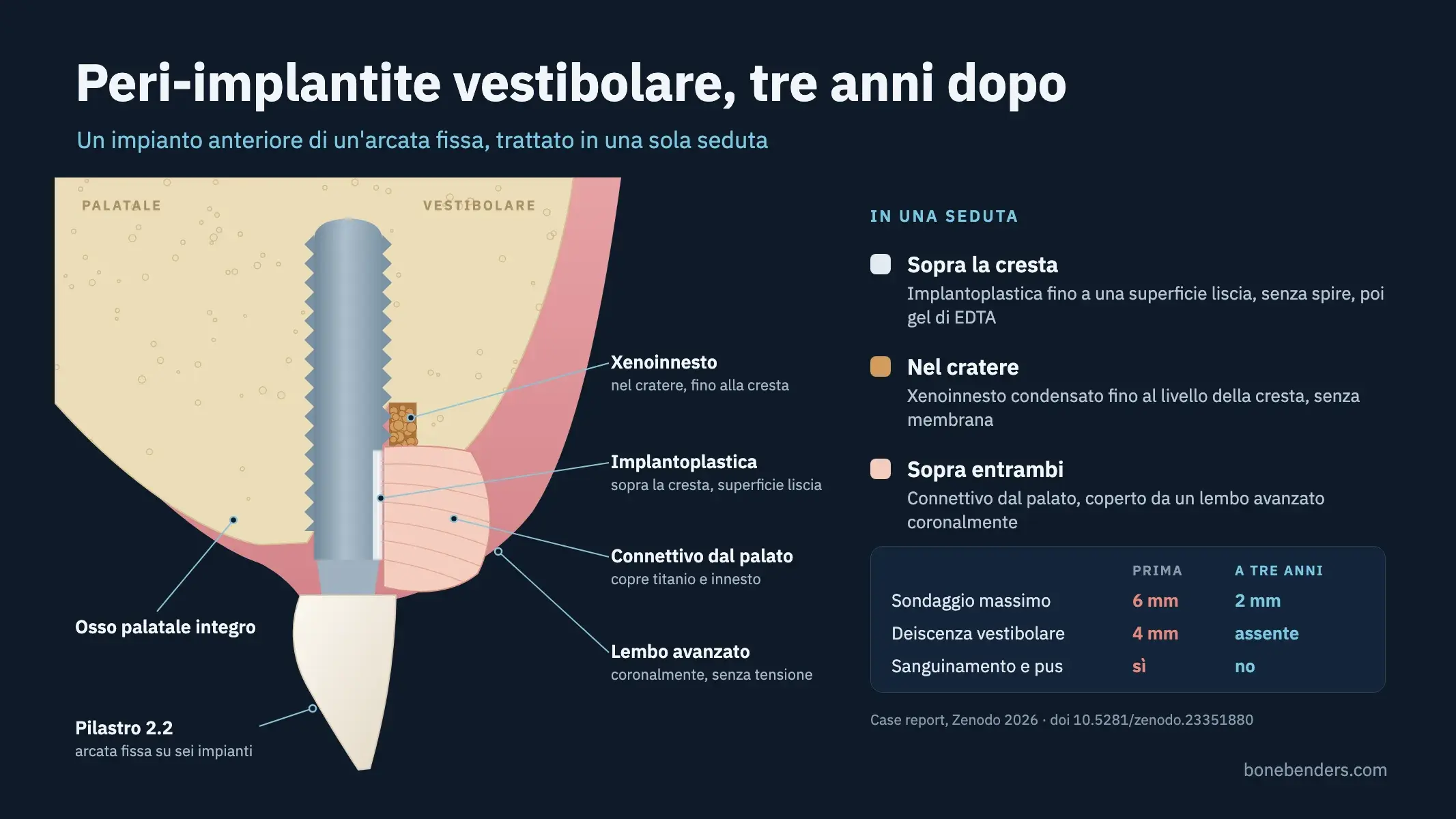
Peri-implantitis with exposed titanium at an anterior full-arch abutment: implantoplasty, xenograft and a connective tissue graft under a coronal flap.
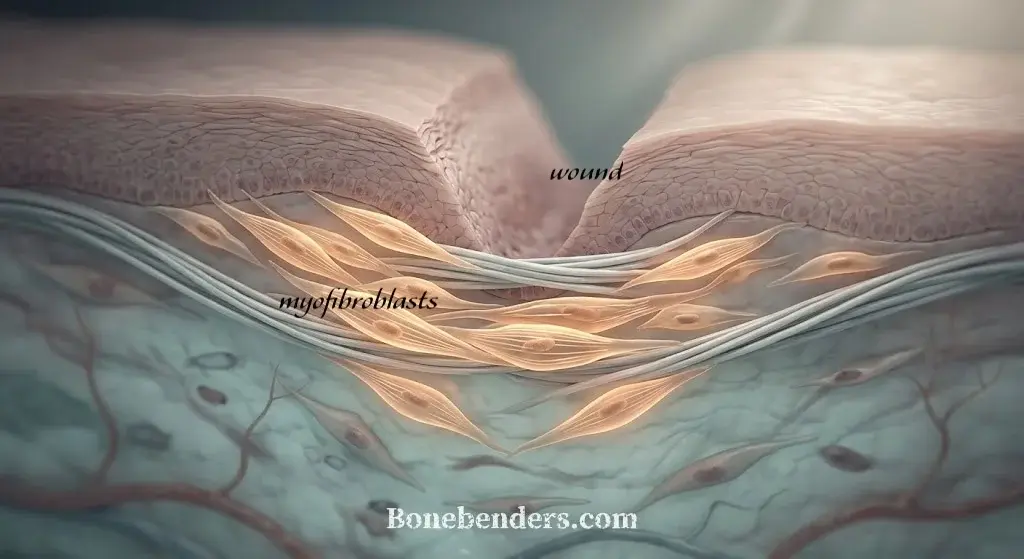
Myofibroblasts close oral wounds and stabilize the implant site. They have to disappear on schedule: when they stay, the scar becomes fibrosis.
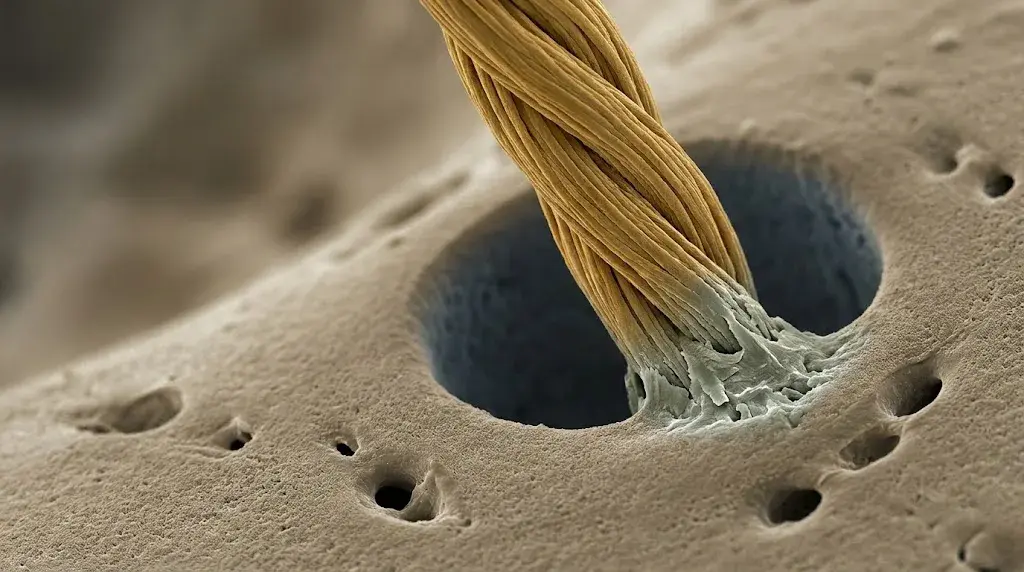
Jean Aaron's review proposes a periosteum–Sharpey–endosteum continuum: a poorly mineralized collagen III network that regulates bone. The one we strip.
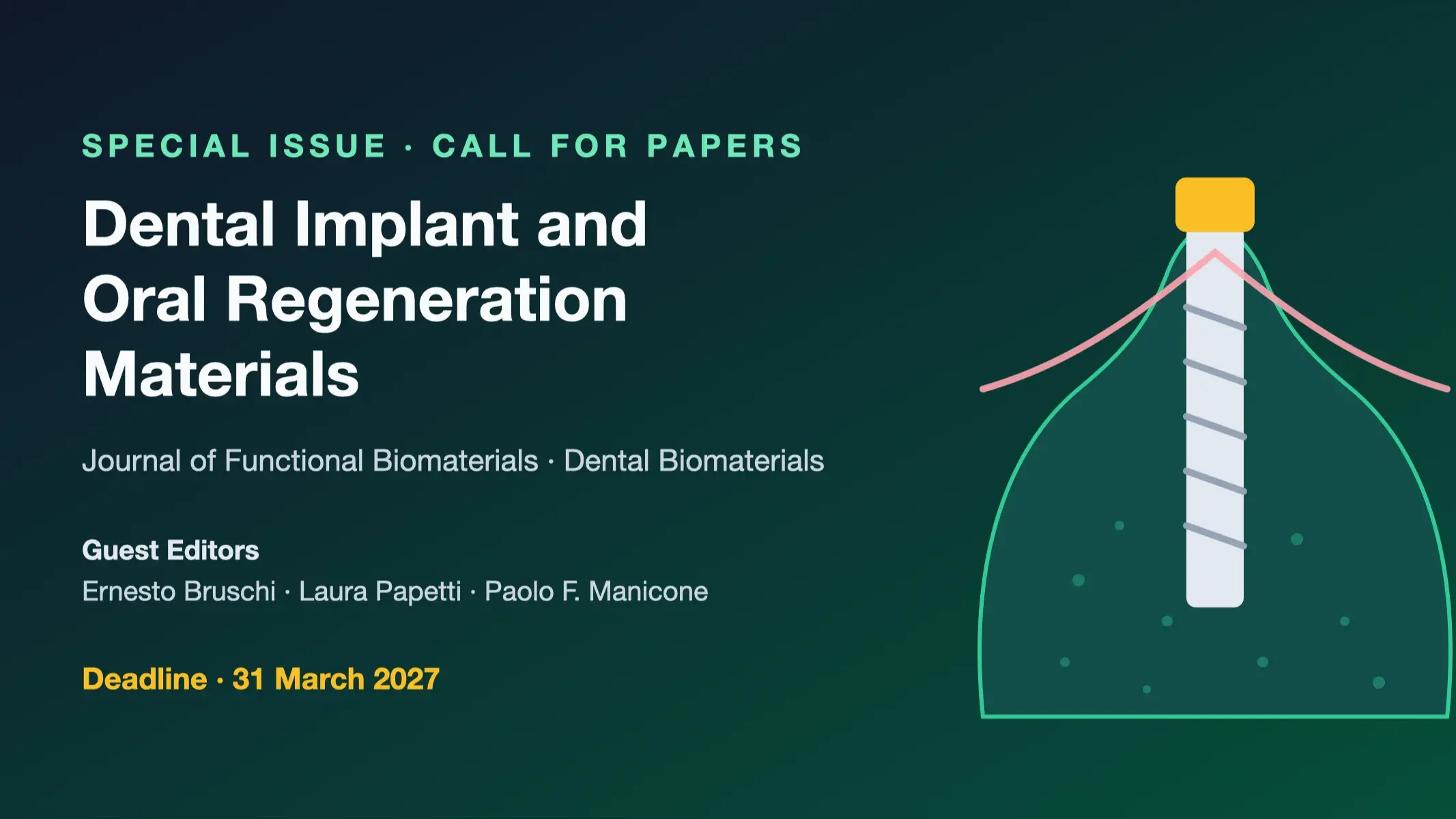
JFB Special Issue on implant and oral regeneration materials: what we want, what we send back, deadline 31 March 2027. Guest Editor with Papetti and Manicone.
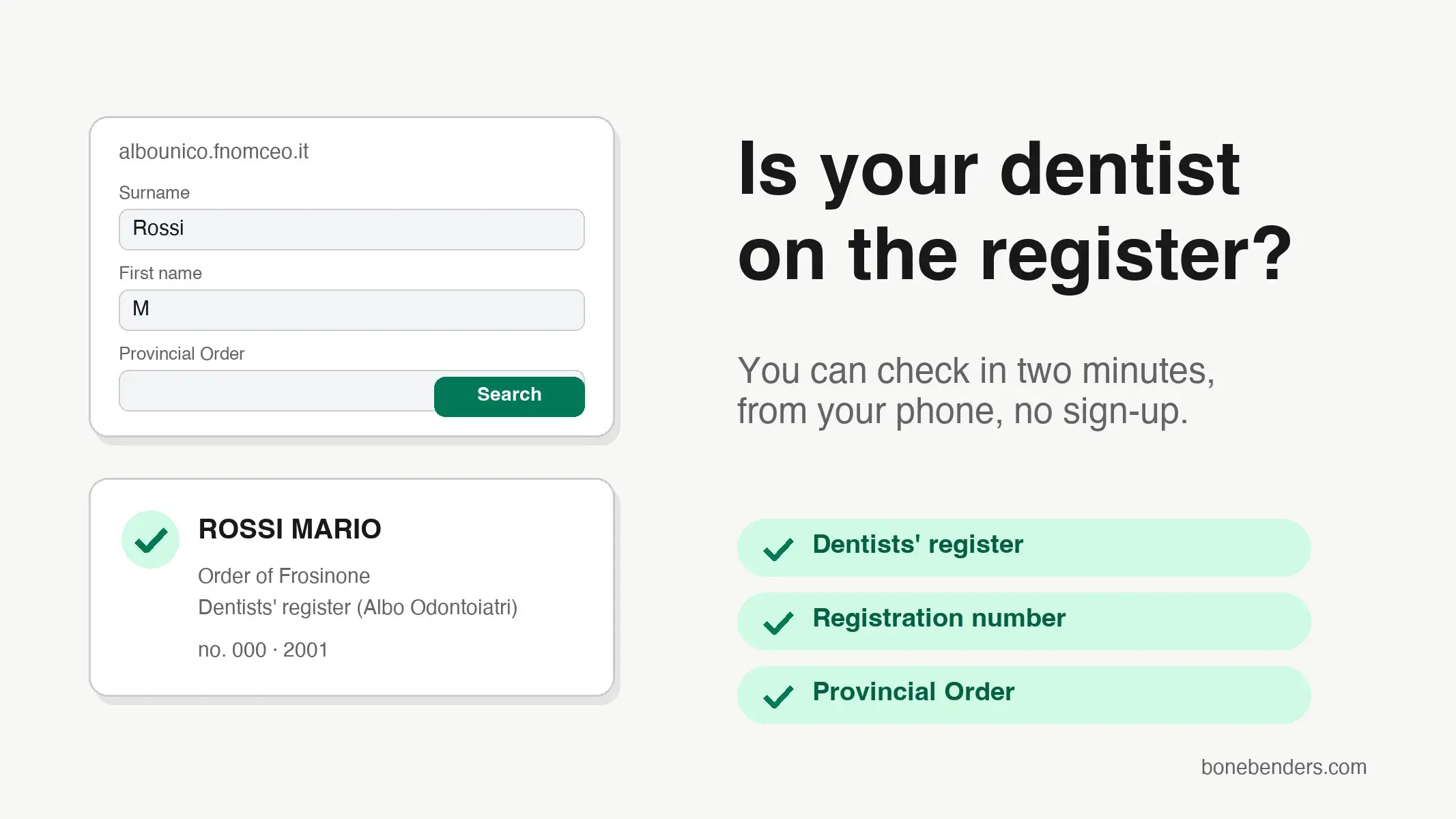
Italy's FNOMCeO register, registration numbers, dentist or dental technician: check who is treating you in two minutes, and what to do if the name is missing.
New articles on periodontology, implantology and oral surgery — delivered to your inbox.
AI-generated responses. Not a substitute for medical advice. Do not enter personal or health data: privacy .